Founder, LifeHetu
Puneet Pandey is the founder of LifeHetu. He has worked alongside psychologists since 2022 while building the platform, helping practitioners grow their online presence with digital tools and care solutions.
13 Feb 26 10:10 am
Why Uploading and Organising Client and Practice Documents Matters in Mental Healthcare
Securely manage client and practice documents with ease. Learn why organised document storage improves efficiency and protects client trust.
On this page
Jump to sections
In mental healthcare, a lot of important information exists outside therapy sessions.
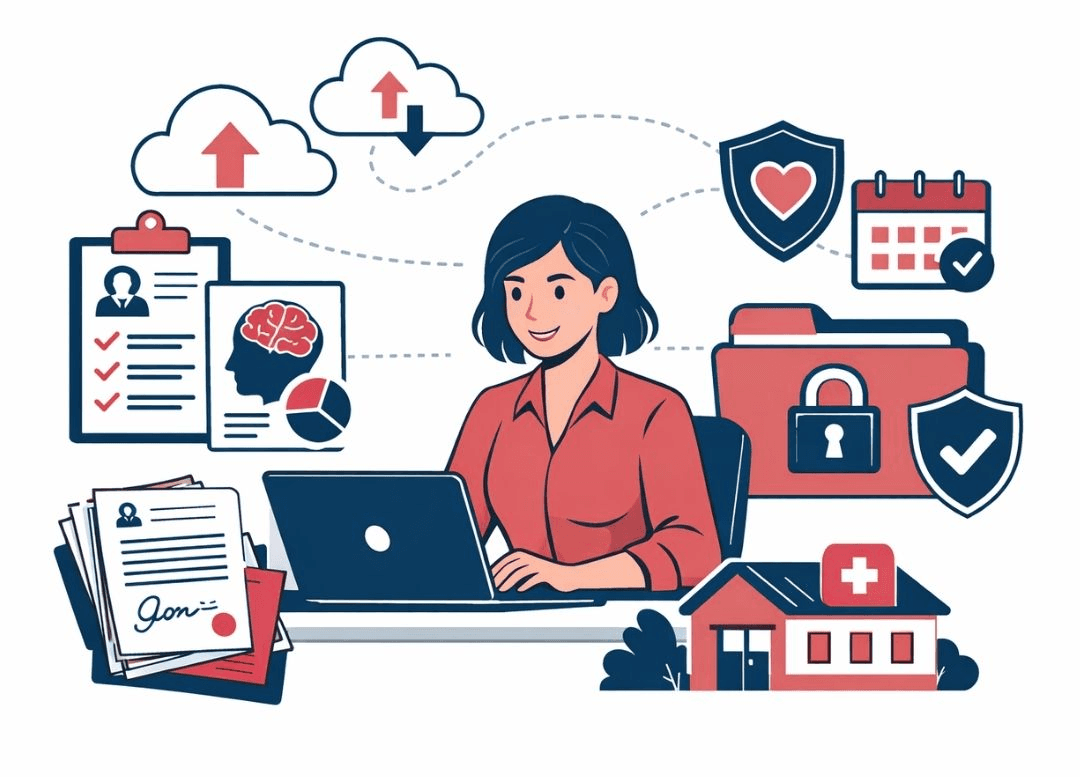
It lives in documents, intake forms, assessment reports, consent forms, contracts, policies, and internal practice records. These documents may not come up in every session, but they play a quiet and important role in how a practice functions.
From working closely with psychologists, therapists, and counsellors at LifeHetu, we’ve learned that managing these documents well can reduce stress, save time, and support better care. Managing them poorly often creates confusion and unnecessary pressure.
Mental Health Practices Handle More Documents Than We Realise
Many people think of therapy as conversations alone. In reality, mental healthcare practices handle a wide range of documents.
These may include:
- Client intake and consent forms
- Assessment reports and supporting files
- Session-related documents shared by clients
- Practice policies and internal guidelines
- Workspace or clinic-related documents
- Contracts, agreements, and administrative records
When these documents are scattered across emails, folders, or personal devices, it becomes hard to know where things are when you need them.
The Hidden Stress of Disorganised Documents
Therapists often tell us that document management becomes stressful over time, not because there are too many documents, but because they are not organised in one place.
Important files get buried in email threads. Attachments are downloaded and saved in random folders. Some documents exist only on one device, making them inaccessible when working from another location.
This leads to small but frequent frustrations, searching for files, re-requesting documents from clients, or postponing tasks simply because the right document isn’t easily available.
Why Uploading Documents to One Secure Place Helps
Uploading relevant documents to a single, secure system brings clarity.
When documents related to clients, practice operations, or the workspace are stored together, therapists don’t have to rely on memory or multiple tools. Everything is accessible when needed, without switching platforms or searching endlessly.
Having one place for documents also helps ensure that sensitive information is handled responsibly. In mental healthcare, privacy isn’t optional. Client trust depends on knowing their information is stored and accessed with care.
Supporting Client Work With Relevant Documents
Clients often share important documents as part of their therapeutic journey. This might include previous reports, medical records, or personal notes they want their therapist to review.
When these documents are uploaded and stored alongside client records, therapists can:
- Review them before sessions
- Refer back to them when needed
- Maintain continuity across sessions
This helps sessions feel more informed and grounded, without relying only on memory or verbal summaries.
Practice and Workspace Documents Matter Too
Client documents are only one part of the picture.
Mental health practices also deal with documents related to how the practice runs. Policies, internal guidelines, workspace-related files, and contracts are part of everyday operations. When these documents are organised and accessible, it becomes easier to maintain consistency and professionalism.
For practices with multiple team members, having shared access to relevant documents (with proper permissions) helps everyone stay aligned.
Keeping Contracts and Agreements Accessible
Contracts and agreements are often needed quickly, during audits, renewals, or administrative checks. When these files are scattered across emails or stored offline, retrieving them becomes unnecessarily difficult.
Uploading and organising these documents ensures they are easy to access when required, without last-minute searching or stress.
Security and Trust Go Hand in Hand
In mental healthcare, document storage isn’t just about convenience. It’s about responsibility.
Clients trust therapists with deeply personal information. Practices also manage sensitive business and workspace data. Storing documents securely, with controlled access, helps protect that trust.
When therapists feel confident about how documents are handled, it removes a layer of background anxiety and allows them to focus more fully on their work.
Making Everyday Work Simpler
Well-organised document storage supports small but important moments in daily work. It saves time, reduces errors, and keeps information consistent.
Instead of asking:
“Where did I save that file?”
or
“Did the client already share this?”
Therapists can focus on what matters, their clients and their practice.
Final Thoughts
Uploading and organising documents related to clients, practice operations, workspace, and contracts may not feel like the most visible part of mental healthcare. But it plays a crucial role behind the scenes.
From what we’ve seen at LifeHetu, practices that manage documents thoughtfully experience less friction, better continuity, and more confidence in their systems.
Sometimes, good care starts with something simple, knowing that the right document is exactly where it should be when you need it.
About the Author
Puneet is the founder of LifeHetu Technology, a platform built specifically for mental healthcare professionals to manage appointments, documentation, payments, and client engagement securely. He works closely with therapists, psychologists, and counselling centres to simplify digital practice management while preserving confidentiality and clinical integrity.
FAQs
Why is document management important for therapists?
It ensures client information is secure, accessible, and organised, reducing stress and improving continuity of care.What documents should mental health practices store securely?
Intake forms, consent forms, assessment reports, session documents, contracts, policies, and administrative records.How does secure storage protect client confidentiality?
It limits access, prevents data loss, and reduces risks associated with email or device-based storage.Can document organisation improve therapy sessions?
Yes. Easy access to relevant documents allows therapists to prepare better and maintain continuity across sessions.
On this page
Jump to sections
About the author
Founder, LifeHetu
Puneet Pandey is the founder of LifeHetu. He has worked alongside psychologists since 2022 while building the platform, helping practitioners grow their online presence with digital tools and care solutions.
Related Reads. Similar Blogs to Check Out.