Mental Health Practice Management Software for Online & In-Person Care
LifeHetu helps psychologists, therapists, counsellors and mental healthcare organisations manage clients, appointments, schedules, payments, invoices, private notes, activities and day-to-day practice operations from one purpose-built system.
Manage clients whether they book through your website, come through a referral, visit in person, contact you directly, or are already part of your practice.
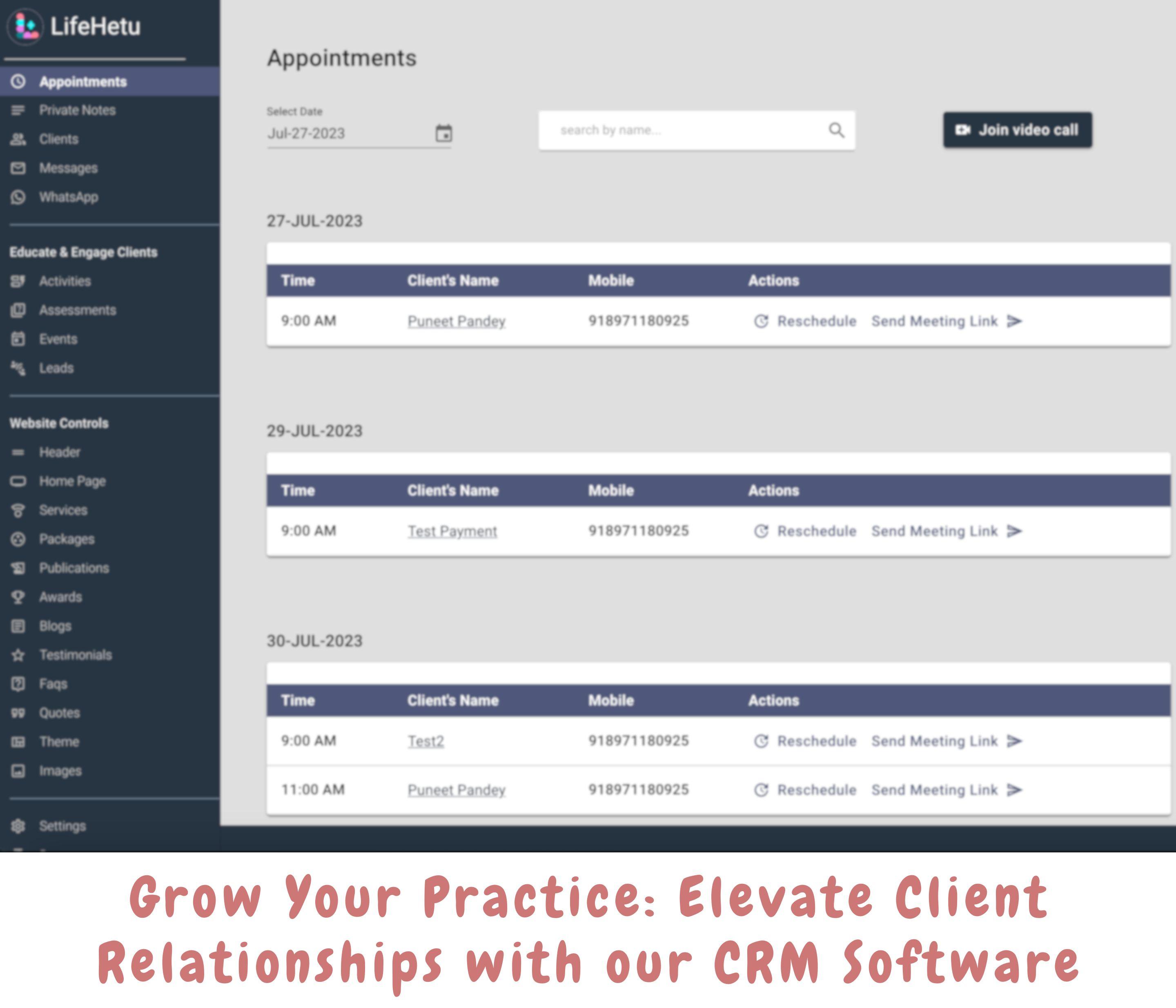
One System for the Day-to-Day Management of Your Practice
LifeHetu's practice-management software is designed around the operational needs of mental healthcare professionals. It brings together client information, schedules, appointments, payments, invoices, notes, activities and practitioner workflows, and it supports online, in-person and hybrid practice equally.
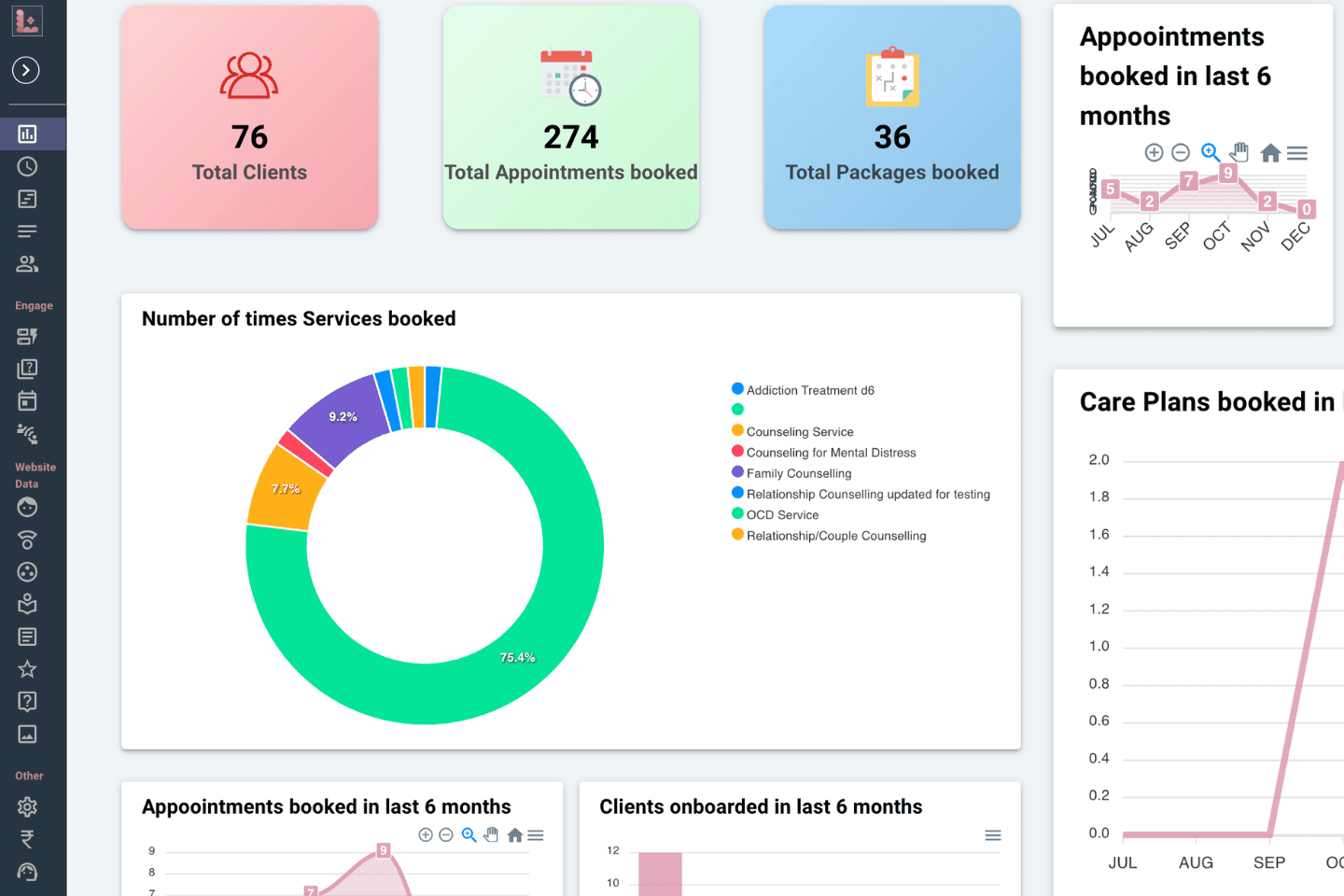
Built for Mental Health Professionals and Practices
Independent Practitioners
Psychologists, therapists and counsellors managing their own clients, schedules, payments and notes.
Multi-Practitioner Practices
Counselling centres, clinics and organisations coordinating several practitioners, their availability and their clients.
Online Practices
Professionals who see clients remotely and need bookings, payments and records handled in one place.
In-Person and Hybrid Practices
Practices working from a clinic or consulting room, or combining face-to-face sessions with online ones.
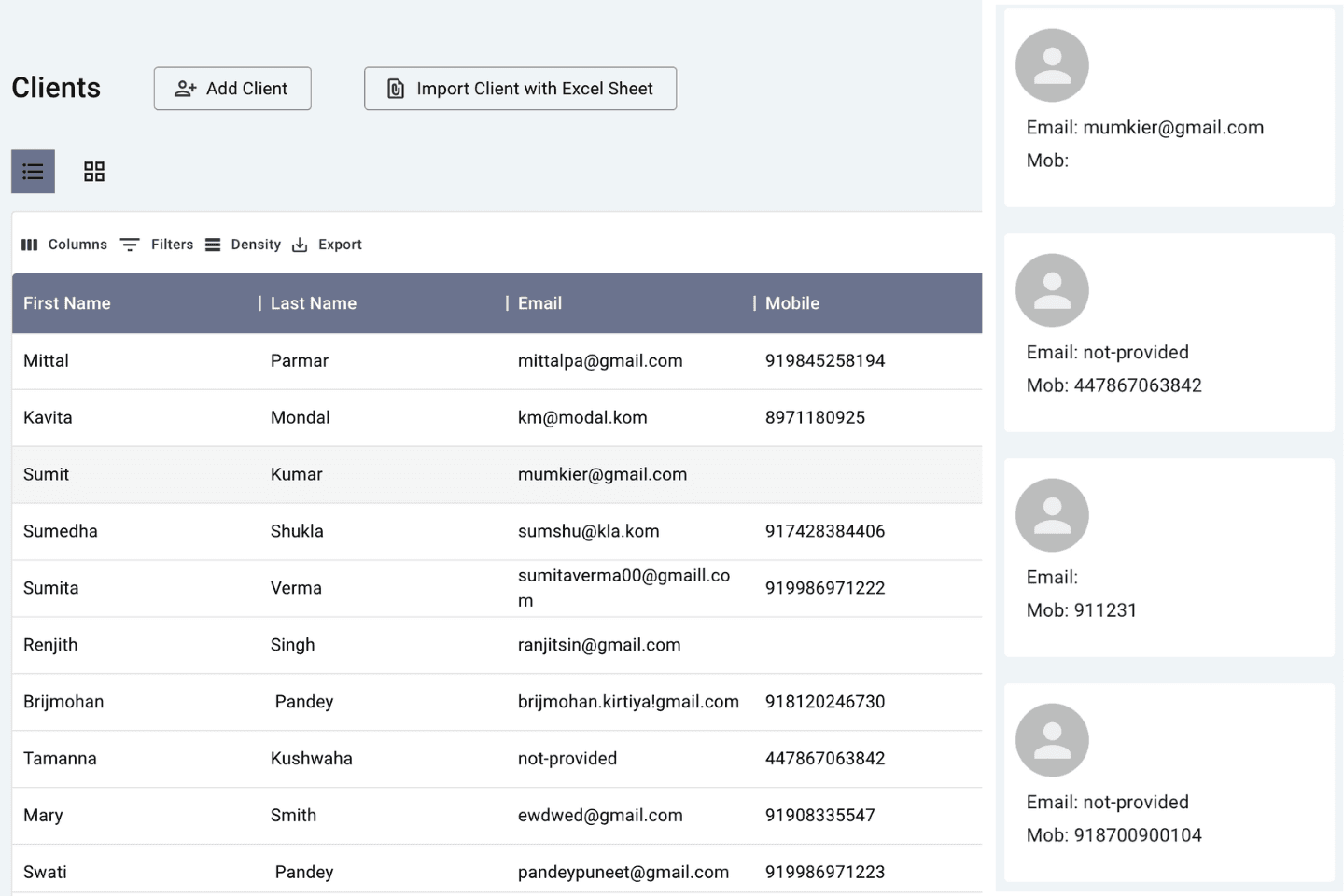
Keep Your Client Information Organised
Each client in LifeHetu has a record that holds what the practice needs to work with them over time, so a practitioner preparing for a session is not searching three places for it.
Client profile and contact details
Appointment and session history
Payments and invoices raised for that client
Private notes written by the practitioner
Activities and forms assigned to them
Care plans or packages the client is on
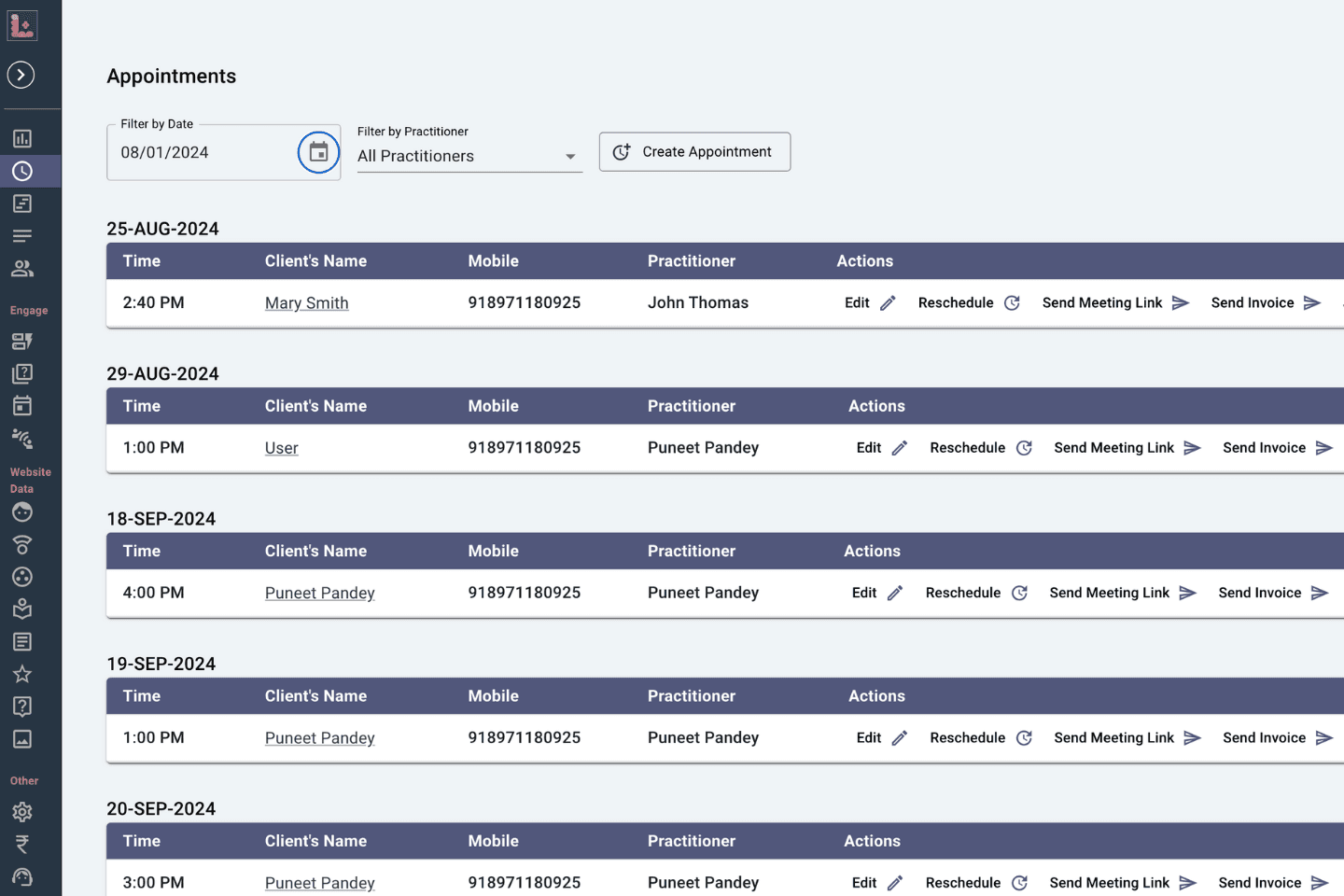
Manage Appointments Across Your Practice
Practitioners set their availability, and appointments sit on one schedule regardless of how they were arranged. An appointment booked on the website and one written down after a phone call are the same kind of record.
Practitioner availability, schedules and time slots
Bookings made by clients through a LifeHetu website
Appointments added directly by the practice or a practitioner
Rescheduling and cancellation
Online sessions and in-person sessions on the same calendar
Separate schedules where a practice has several practitioners
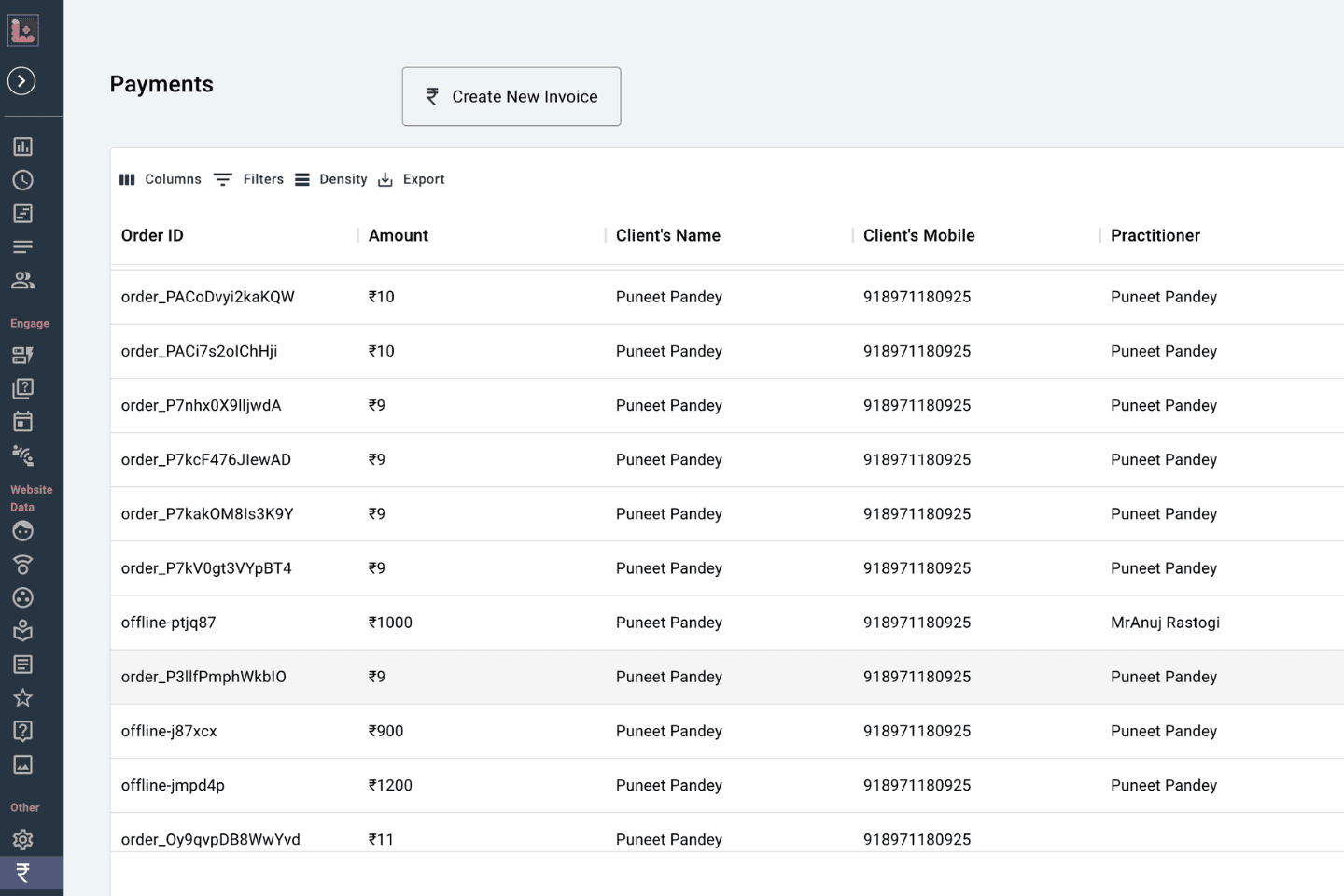
Keep Payments and Invoices Connected to the Client Journey
Payments are held against the client and the appointment they relate to, so the practice can see what has been paid for and what is outstanding without reconciling a separate spreadsheet.
Payments taken online through a connected payment gateway
Domestic and international payments
Invoices raised against a client
Payment history per client
Payments linked to the appointment, package or care plan they cover
Care plans and packages sold as a block rather than one session at a time
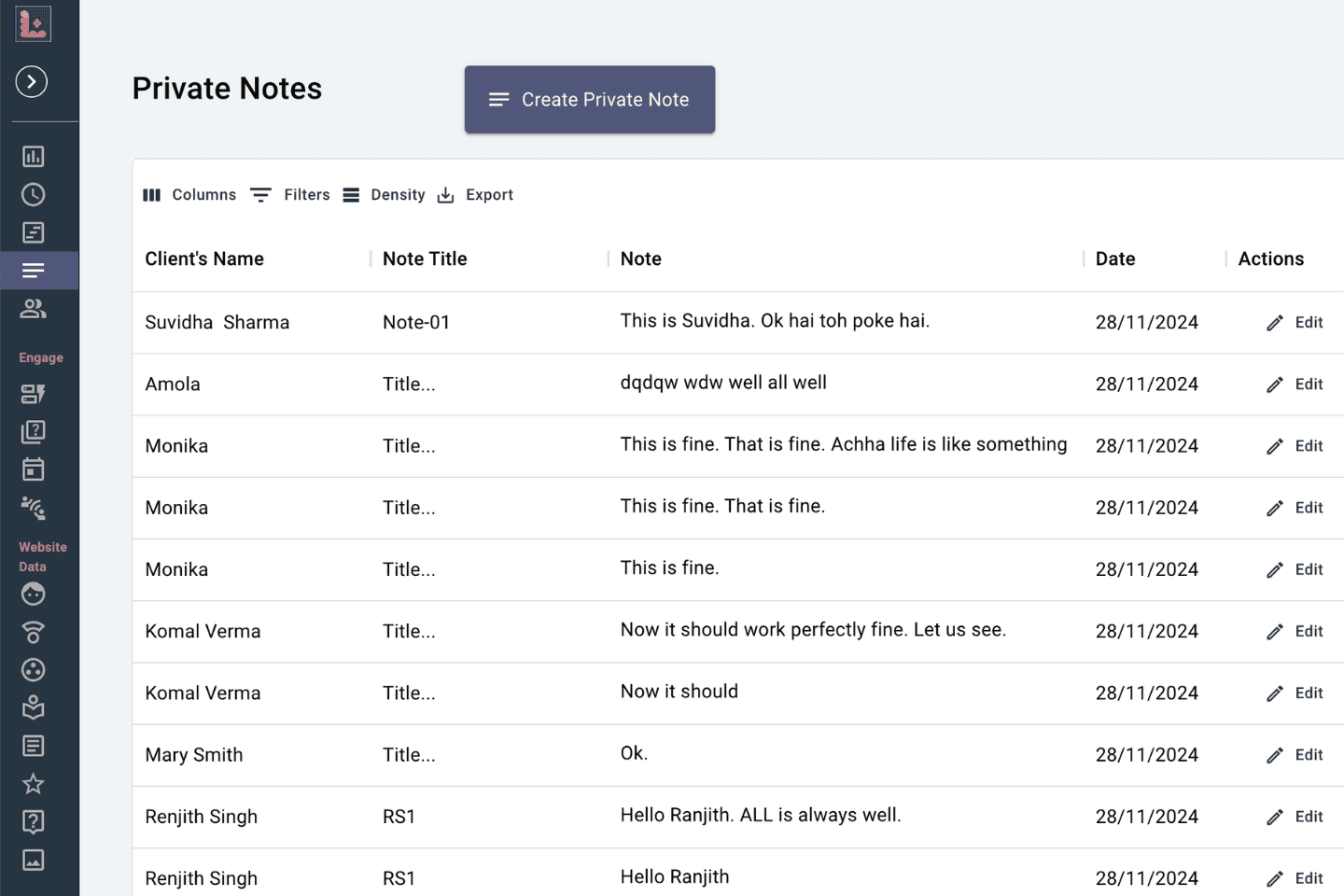
Private Notes for Practitioner Use
Practitioners record their observations against a client and read them back before the next session, instead of keeping them in a separate document or a notebook. Notes live in the practice-management side of LifeHetu and are not part of the public website a practice may also run.
Notes written and reviewed by the practitioner
Held against the client record, available across sessions
Note templates that can be adapted to how a practitioner documents
Reachable from a browser during or after a session
Separate from anything published on the practice website
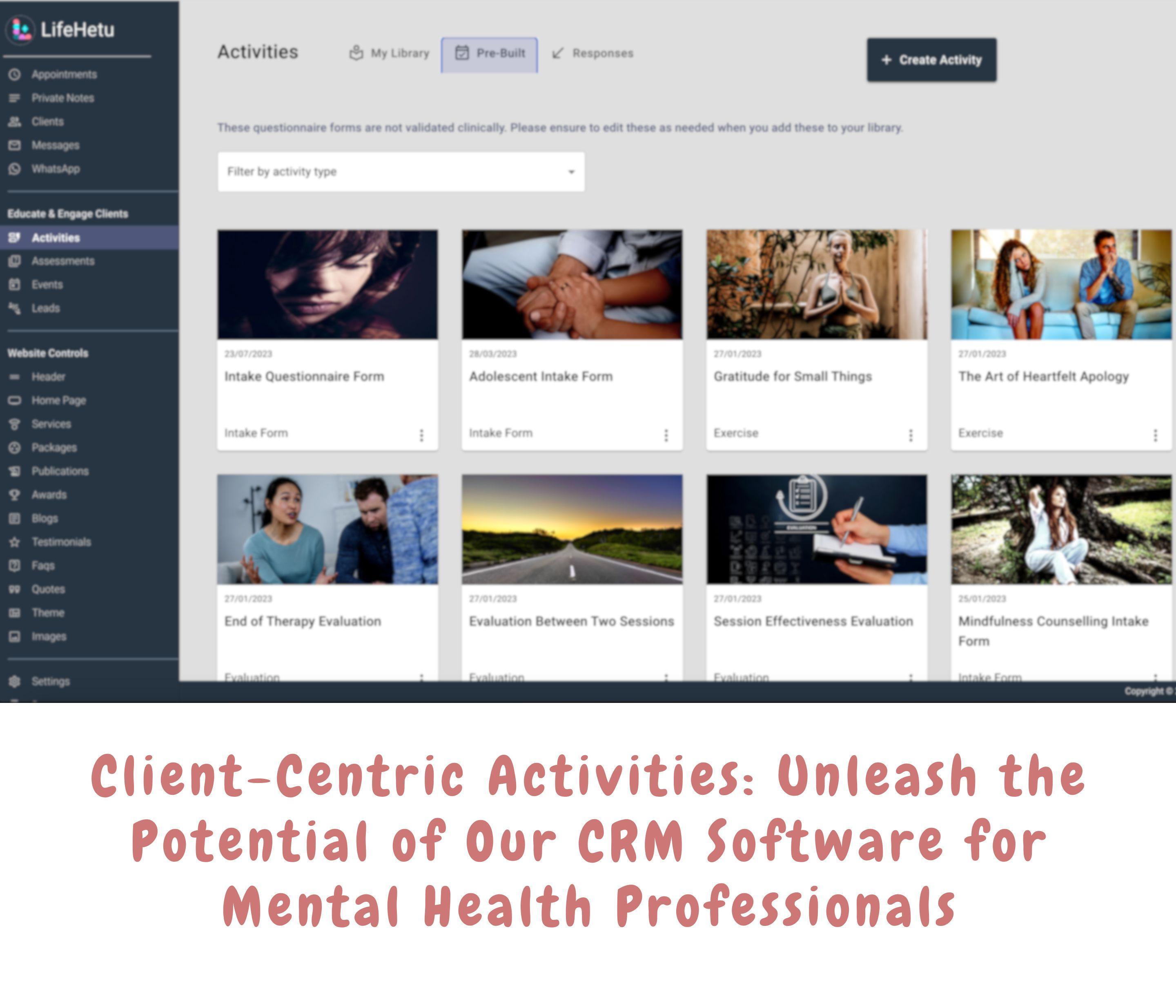
Support Work Between Sessions
Most of a client’s week happens away from the session. LifeHetu’s activity builder lets a practice send structured work into that gap and see what comes back — which is the part a scheduling tool or a sales CRM has no concept of.
Drag-and-drop activity builder for exercises, worksheets and assessments
Pre-built activities written for mental health practice, which can be adapted
A personal library of saved activities to reuse with different clients
Activities and forms assigned to an individual client
Client responses captured against the client record
Intake and information forms alongside therapeutic activities
25+
activity components to build with
1000+
activities assigned by practitioners using LifeHetu
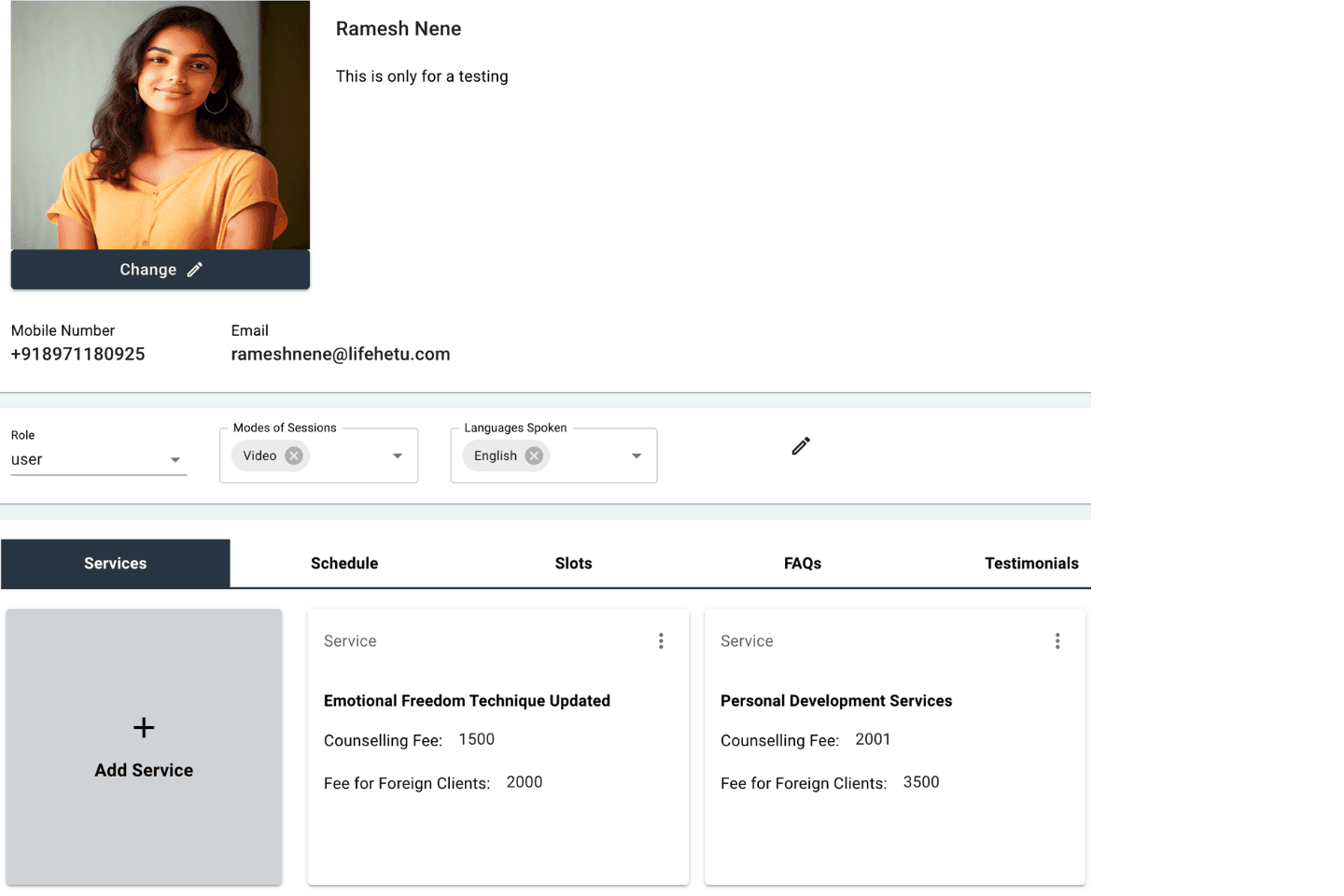
Manage More Than One Practitioner
A counselling centre is not one practitioner repeated. LifeHetu holds each practitioner separately while giving the practice a view across all of them.
Practitioner profiles, services and qualifications
Individual availability and schedules
Clients and appointments allocated to a practitioner
A practice-level view across practitioners
Practitioner profiles published to the practice website where one is in use
Built for Online, In-Person and Hybrid Practice
LifeHetu's practice-management software does not assume a client arrived through a booking page. However someone reaches the practice, they are managed in the same system, on the same schedule, with the same records.
Booked on your website
A client picks a service and a time on a LifeHetu-built site.
Referred to you
A doctor, a school or another practitioner sends someone to you.
Phoned or messaged
Someone calls the practice and the appointment is entered for them.
Walked in
A client arrives at the clinic and is added at reception.
Already yours
Clients the practice has been seeing for years, brought into the system.
Added by a practitioner
A practitioner creates the client record directly.
Connect Your Website with Your Practice Operations
Where a practice also uses a website built by LifeHetu, the two are designed to work together: appointments booked on the site, payments taken there, client enquiries, and practitioner and service information can all flow into the same practice-management system, instead of being copied across by hand.
The practice-management software is not limited to clients who come through a website, and a LifeHetu website is not a requirement for using it. Practices run the software on its own, and practices run both together. Explore LifeHetu solutions to see how the website side works.
Built Around Mental Healthcare — Not Generic Sales CRM Workflows
A general-purpose CRM can be made to hold client names. What it does not have is the shape of a mental health practice.
Organised around clients, not sales leads
A general CRM is built to move a deal through a pipeline. LifeHetu is built around a client who returns week after week, with the history, notes and activities that go with that.
Practitioner schedules, not sales calendars
Availability, session lengths and multiple practitioners are the core of the scheduling model, because that is what a mental health practice actually books.
Private notes as a first-class feature
Session notes are part of the client record rather than a comment field bolted onto a contact.
Structured work between sessions
Activities, forms and care plans exist because client engagement in this field continues after the appointment ends. Generic CRMs have no equivalent.
Online and in-person on equal terms
The system does not assume a client arrived through a booking page, so an entirely in-person practice is a first-class case.
Connects to a website LifeHetu can also build
Where a practice uses a LifeHetu website, the two are designed to work together — which is not something a standalone CRM vendor offers.
Practice Management Software FAQs
Common questions from practitioners and practices about what LifeHetu's practice-management software does.
It is software for running the day-to-day operations of a mental health practice. LifeHetu holds clients, appointments and practitioner schedules, payments and invoices, private notes, activities and forms, and care plans in one system, and it is built specifically around how mental healthcare practices work.
Psychologists, therapists and counsellors running their own practice, and counselling centres, clinics and mental healthcare organisations coordinating several practitioners. It suits both a single practitioner and a practice with a team.
Yes. LifeHetu is not limited to online practice. Clients seen face to face at a clinic or consulting room are managed exactly the same way as clients seen online, and a practice combining both keeps everything on one schedule and one set of records.
No. A client can be added directly by the practice or a practitioner. Referrals, walk-ins, telephone enquiries and clients the practice has been seeing for years are all managed in the same system. A LifeHetu website is one way clients can arrive, not a requirement for using the practice-management software.
Yes. Each practitioner can have their own profile, services, availability and schedule, with clients and appointments allocated to them, while the practice keeps a view across everyone.
Yes. Payments can be taken online through a connected payment gateway, from clients in India and abroad, and invoices and payment history are kept against each client. Payments can be linked to the appointment, package or care plan they relate to. LifeHetu is not a replacement for your accounting software.
Yes. Practitioners can write notes against a client record, adapt note templates to how they document, and read previous notes back before the next session. Notes sit in the practice-management side of LifeHetu, separate from anything published on a practice website.
Yes. LifeHetu includes a drag-and-drop activity builder for creating exercises, worksheets and assessments, along with pre-built activities that can be adapted. Activities and forms are assigned to individual clients and their responses are stored against the client record.
Where a practice also has a website built by LifeHetu, the two are designed to work together: appointments booked on the site, payments taken there, client enquiries and practitioner and service information can flow into the same practice-management system. Practices that do not have a LifeHetu website can still use the software on its own.
See How LifeHetu Can Support Your Practice
Whether you manage clients online, in person or through a hybrid practice, explore how LifeHetu can bring your appointments, clients, payments, notes and practice workflows together.