Custom Websites for Psychologists in India
LifeHetu designs and develops professional websites around your psychology practice, services and client journey — with options for appointment scheduling, payments, forms, resources and integrated practice management.
Whether you work online, in person or through a hybrid model, your website can help people understand your services and take the right next step with your practice.
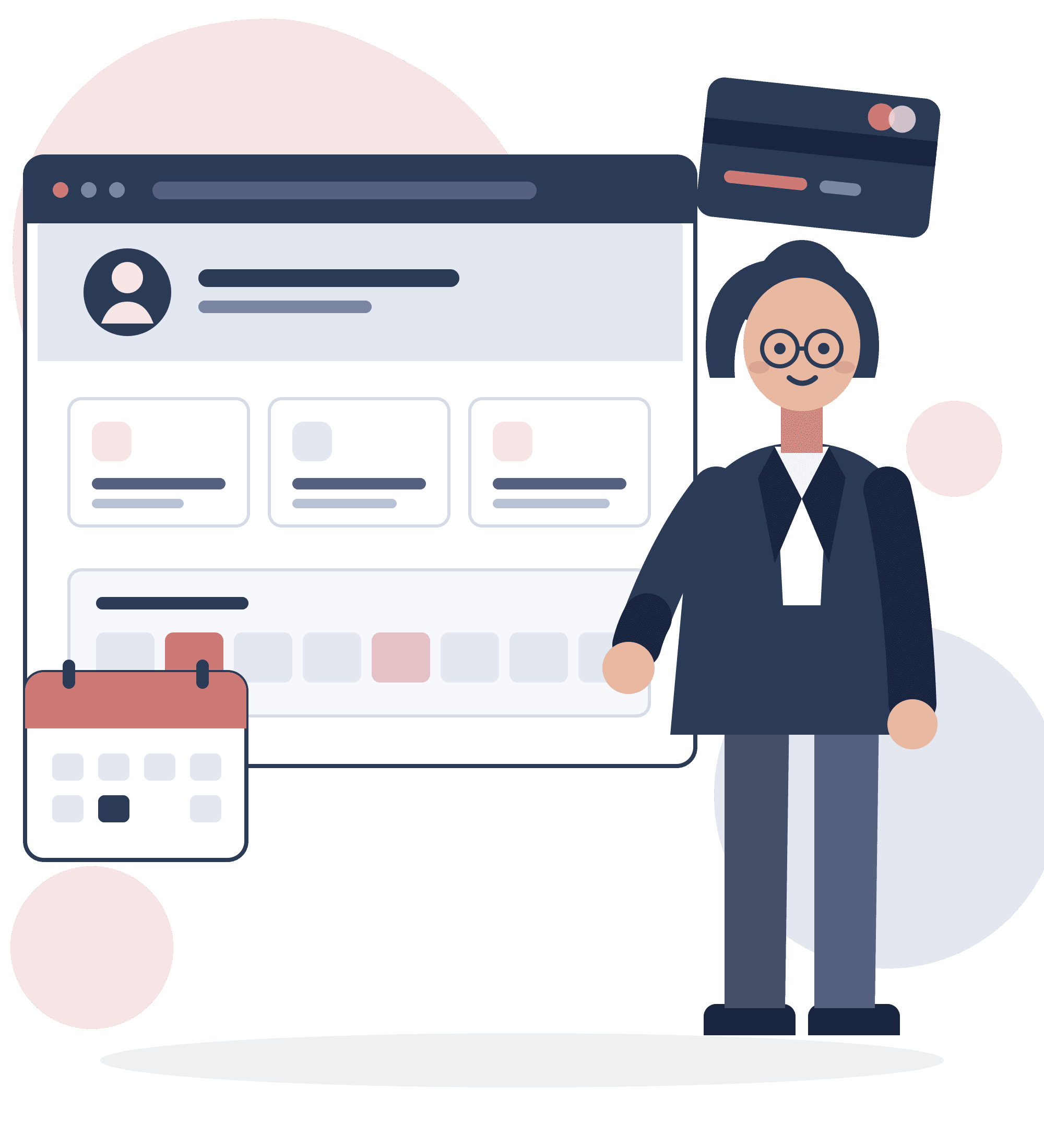
A Website Built Around Your Psychology Practice
LifeHetu designs and develops custom websites for psychologists rather than asking practitioners to fit their work into a generic template. The structure, content, visual identity and functionality are planned around your services, specialisations, way of working and client journey. LifeHetu builds the site — you do not have to build it yourself — and what it includes is decided by what your practice actually needs.
More Than a Professional Online Profile
A psychologist's website is usually read by someone deciding whether to make contact at all. It is part of the information and enquiry journey, not only a marketing page — and it does not replace professional communication or assessment. Before getting in touch, a prospective client often wants to:
Understand your qualifications, registration and how you work
See which services and areas of support you offer
Know whether sessions are online, in person, or both
Find practical details — locations, session formats, what to expect
Read something you have written, before deciding to make contact
Send an enquiry, or book an appointment where that is enabled
Pay for a session or package, where that applies
Reach a form or resource you have asked them to complete
Designed to Reflect Your Professional Identity
Content is written and agreed with you — LifeHetu does not publish clinical or professional material on your behalf without your review.
Your profile and professional information
Biography, qualifications, registration details, therapeutic approach and specialisations, structured so a visitor can judge fit rather than hunt for it.
Services and areas of support
A page for each service you want to be found for, with session formats, locations and — where you choose to publish them — fees and booking information.
Visual direction and hierarchy
Colour, typography and page structure chosen for your practice, with a clear reading order rather than a template you drop content into.
Mobile-responsive build
The layout works on a phone as well as a desktop, which is where most people will first read about you.
Website Tools That Support the Client Journey
These are options rather than a fixed bundle. What your website carries depends on your requirements and the scope agreed with LifeHetu.
Appointment scheduling
Where this workflow is enabled, clients can see the availability you have set and book from the website itself.
Payment integration
A payment gateway can be integrated for sessions, packages, events or other approved offerings. Payments are processed by the gateway, not by LifeHetu.
Enquiries and contact
Clear enquiry paths so someone who is not ready to book can still reach you, and you can follow up.
Forms and activities
Intake forms, information forms and client activities can be incorporated where the practice needs them.
Blogs and resources
Publish articles, psychoeducational material and practice updates, so people can find you for what you write about.
Events and courses
Where relevant, workshops, groups or courses can be presented on the site and take registrations.
Online booking and reminders can take some of the back-and-forth out of arranging a session. They are a convenience for you and your clients, not a guarantee that appointments will be kept.
Built on Strong SEO Foundations
These foundations help search engines and AI answer engines understand your website, and give relevant pages the opportunity to appear for appropriate searches.
LifeHetu does not guarantee rankings, traffic or enquiries, and treats anyone who does with suspicion. What LifeHetu controls is how the site is built.
Server-rendered content that search engines and AI answer engines can read
A clear page hierarchy, with one page per service you want to be found for
Meaningful page titles and descriptions
Semantic, accessible HTML headings and landmarks
Location information where that is relevant to your practice
Mobile-responsive layout and attention to page speed
Internal linking between related pages
Structured data where it applies to the page
Sitemap and canonical handling
Make It Easier for Clients to Take the Next Step
Someone who has decided to contact a psychologist should not then have to work out how. A website that states the service format, shows real availability where booking is enabled, and offers one obvious way to get in touch removes the friction at the point it matters most — and saves the practice a round of messages arranging something the site could have handled.
Keep Your Website Information Current
Website content management
LifeHetu builds the site and sets up manageable controls for supported public content — your profile, services, fees and availability information, blogs and events among them. Which areas are editable depends on how your site is built, and LifeHetu can make changes for you as well. This is not a DIY builder handed over for you to operate.
Practice-management software
A different thing entirely. It handles the operational side — clients, appointments, payments, invoices, private notes, activities and practitioner workflows. Website content management and practice management are separate capabilities that can be connected.
A Website for Online, In-Person or Hybrid Practice
A psychologist's website is not only for building an online practice. It can present remote sessions, in-person sessions at one or more locations, or both together, run by one psychologist or several — so a visitor can tell which format applies to them before they book the wrong kind of session.
Connect Your Website with Practice Management
Where a psychologist also uses LifeHetu's practice-management software, website enquiries, appointments, payments, client information, notifications, forms and practitioner details can flow between the two instead of being re-entered by hand.
They remain distinct capabilities. You can have the website without the software, the software manages clients who never came through the website, and no psychologist needs every LifeHetu capability. Read more about LifeHetu's mental health practice-management software, or see the wider range of LifeHetu solutions.
Websites for Different Types of Psychology Practices
Independent psychologists
A clear professional presence, with a practical enquiry or booking path for people who decide to make contact.
Clinical and counselling psychology practices
Practices presenting several services, specialisations or session formats that each need explaining properly.
Multi-practitioner practices
A profile for each psychologist, services mapped to the right people, and the operational workflows behind them.
Online, in-person and hybrid practices
Sites that have to make the service format and location unambiguous before someone books the wrong kind of session.
How Your Psychologist Website Is Developed
- 1
Understand the practice
Your services, how clients reach you today, session formats, and what is not working.
- 2
Define the structure
The pages the site needs, and which workflows — booking, payments, forms — belong in it.
- 3
Design and develop
LifeHetu designs and builds the site around that structure. You are not assembling it.
- 4
Add approved content and integrations
Your content, reviewed by you, plus the integrations agreed in scope.
- 5
Review and launch
You review the site before it goes live, and it stays maintainable afterwards.
See how LifeHetu works with a practice in more detail.
Psychologist Website FAQs
Yes. LifeHetu designs and develops the website for you. It is a done-for-you development service, not a DIY website builder — you are not expected to assemble pages or configure a template between clients. The structure, design and functionality are planned around your practice and built by LifeHetu.
Yes. A LifeHetu website can present online sessions, in-person sessions at one or more locations, or a combination of both, so a prospective client can tell which format applies before they get in touch or book.
Appointment booking can be built into the website, where that workflow is part of your implementation. Clients see the availability you have set and book from the site. It is an option rather than something every website automatically includes.
Yes, a payment gateway can be integrated so clients can pay for sessions, packages or events from the website. The payment is processed by the gateway provider under your own account, not by LifeHetu, and the currencies and payment methods available are the ones your gateway account supports.
Yes, for the areas set up as manageable content. Website content management covers public-facing information such as your profile, services, blogs and events. That is a different thing from LifeHetu practice-management software, which handles clients, appointments, payments, invoices and notes. Which fields are editable depends on how your site is built, and LifeHetu can make changes for you as well.
The website is built on SEO foundations: server-rendered content, a clear page hierarchy, meaningful titles and descriptions, semantic HTML, internal linking, mobile-responsive layout, and sitemap and canonical handling. These foundations help search engines understand your website and give relevant pages the opportunity to appear for appropriate searches. LifeHetu does not guarantee rankings, traffic or enquiries — no one can.
Yes, where a practice uses both. Website enquiries, appointments, payments and client information can flow into the practice-management software instead of being re-entered. The two are separate capabilities that work together — you can have the website without the practice-management software, and the software manages clients who never came through the website at all.
Both. A solo psychologist and a practice with several psychologists are handled the same way at the start — LifeHetu looks at how the practice runs. A multi-practitioner site can carry a profile for each psychologist, services mapped to the right practitioners, and their individual availability.
Websites are built on secure hosting with HTTPS, access controls for the areas you manage, and privacy-conscious forms that collect what is needed rather than everything possible. LifeHetu does not claim any compliance certification on your behalf. You remain responsible for your own privacy notice, consent wording, record-keeping and the professional and legal obligations that apply to your practice, and you should take your own advice on those.
Get in touch through the contact page and describe your practice, the services you offer, how clients currently reach you and what you want the website to do. LifeHetu will go through the requirements with you and set out what an appropriate build would involve.
Build a Website Around the Way Your Psychology Practice Works
Tell LifeHetu about your services, your clients and your current practice setup. We can help plan a custom website and the integrations relevant to your online, in-person or hybrid practice.