Founder, LifeHetu
Puneet Pandey is the founder of LifeHetu. He has worked alongside psychologists since 2022 while building the platform, helping practitioners grow their online presence with digital tools and care solutions.
18 May 26 09:34 am
Why Modern Clients Expect Therapy to Feel Like Netflix, Spotify & WhatsApp
Learn why modern clients expect therapy to feel seamless, personalized, and connected like Netflix or WhatsApp. Explore how digital tools are transforming mental healthcare.

On this page
Jump to sections
A few years ago, people looked at therapy very differently.
Booking a session meant calling someone, waiting for a reply, writing things down manually, and adjusting your whole day around one appointment. Nobody questioned it because that was just how things worked.
But today? Everything around us has changed.
We order food in seconds. We book cabs instantly. Netflix remembers what we like. Spotify creates playlists based on our mood. WhatsApp keeps us connected all the time. We live in a world where everything feels smooth, fast, personal, and easy.
And whether therapists realize it or not, clients now carry those same expectations into therapy too.
This does not mean people want therapy to become “entertainment.” It simply means modern clients expect the experience around therapy to feel simple, comforting, connected, and accessible.
That shift is huge, and many mental health professionals are still catching up.
Therapy Is No Longer Just About The Session
Earlier, therapy mostly started and ended inside the session room. Now clients think differently.
They notice:
- how easy it is to book a session
- how quickly they get responses
- whether reminders are sent
- how smooth online sessions feel
- whether they feel connected between sessions
- how personalized the experience feels
These things may sound “small,” but for clients, they shape trust.
Imagine this.
A person already struggling with anxiety finally decides to seek help. They visit a therapist’s website, but the booking form is confusing. No instant confirmation comes. They wait two days for a reply on WhatsApp. Payment details are unclear. They missed the session because there was no reminder.
That client may never return. Not because the therapist was bad, but because the experience felt stressful. This is exactly why ++digital tools for therapists++ are becoming so important today.
Clients Now Expect Instant Booking
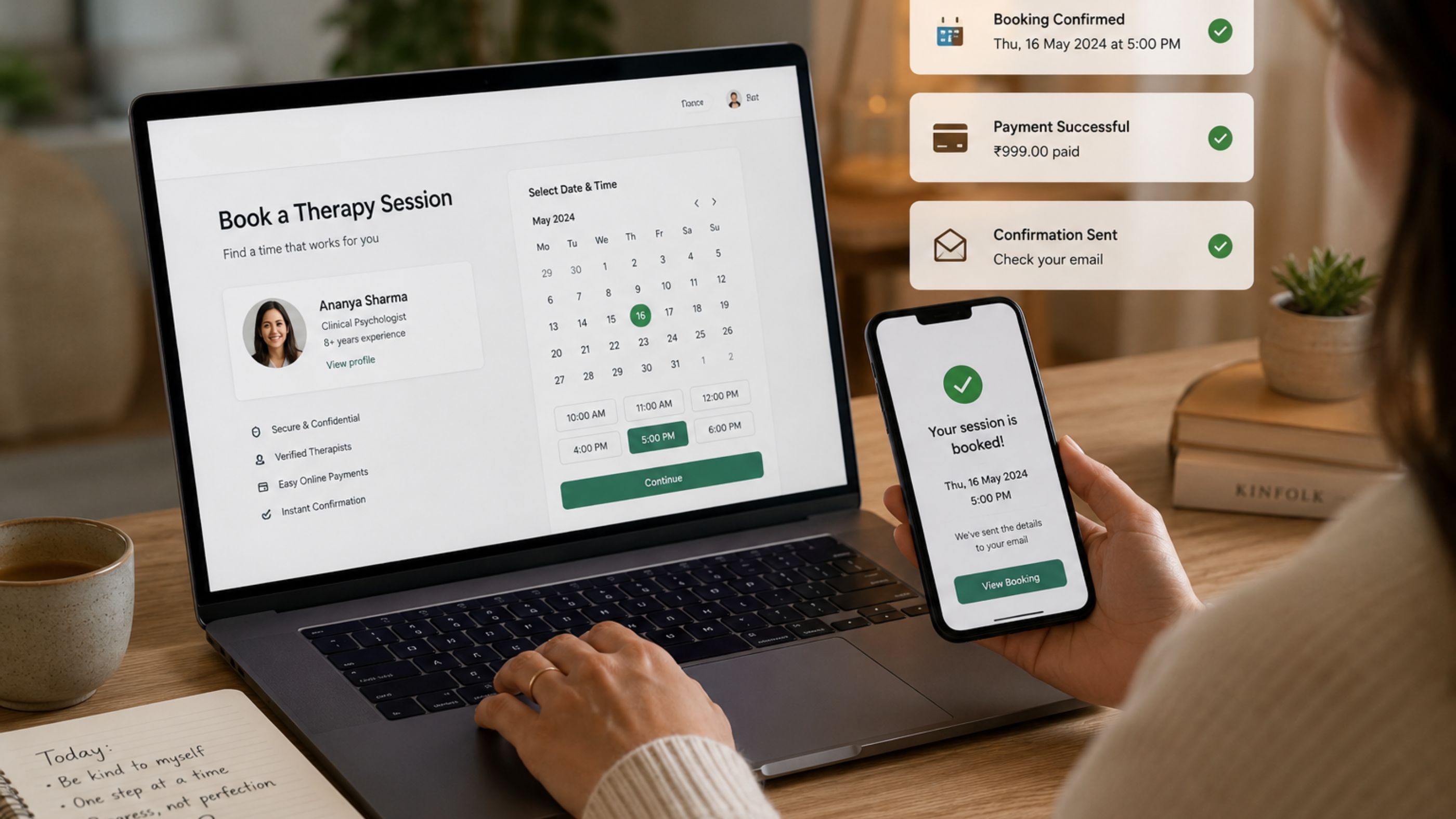
People are used to getting things immediately.
When someone opens Netflix, they don’t wait three days to watch a movie. When someone books a cab, they don’t send five follow-up messages.
Modern clients expect therapy booking to feel simple too.
This is why many therapists are now using online booking systems and ++CRM software for mental health professionals++ to make scheduling easier.
Clients love when they can:
- check available slots
- book instantly
- get confirmation immediately
- pay online without confusion
It reduces mental effort.
And honestly, when someone is already emotionally tired, reducing mental effort matters a lot.
Reminders Reduce More Anxiety Than You Think
People forget things. Life gets busy.
But for therapy clients, missed sessions often create guilt too.
A simple reminder message can make a huge difference.
Think about Spotify. It reminds you about new music. Netflix reminds you to continue watching. Apps constantly keep users connected gently without overwhelming them.
Therapy clients also appreciate these tiny nudges.
Automated reminders through ++therapy practice management software++ help clients stay consistent without feeling pressured. It creates a feeling that someone is looking out for them.
That feeling matters emotionally.
Modern Clients Want Therapy To Feel Personal
This is where Netflix and Spotify changed human expectations completely.
People are now used to experiences that feel personalized.
Spotify says:
“Here’s music you might love.”
Netflix says:
“Because you watched this…”
Clients now expect the same emotional understanding everywhere, including therapy.
Of course, therapists already personalize care emotionally. But digital experiences around therapy also need personalization.
For example:
- remembering client preferences
- tracking progress
- sharing worksheets
- personalized care plans
- between-session activities
- easy follow-ups
This is why many therapists are now exploring mental health CRM tools and client engagement platforms for therapists.
Clients feel more connected when therapy continues beyond one weekly session.
Accessibility Is The New Comfort
Today people want support that fits naturally into life.
Nobody wants complicated systems anymore.
Modern clients expect:
- mobile-friendly websites
- easy online sessions
- simple payments
- flexible communication
- quick access to information
Especially younger clients.
Gen Z grew up with digital convenience. If a therapy website feels outdated or difficult, trust drops instantly. This is one reason why having a proper ++website for psychologists++ is no longer optional.
Your website is not just a website anymore. For many clients, it becomes their first emotional impression of you.
WhatsApp Changed Relationship Expectations
This is something very few people talk about. WhatsApp changed how humans experience connection.
People are now used to:
- fast communication
- instant updates
- emotional accessibility
- continuous connection
That behavior naturally affects therapy expectations too. Clients do not necessarily expect therapists to reply 24/7. But they do appreciate feeling emotionally connected between sessions.
This is where tools like:
- session summaries
- reflective exercises
- progress tracking
- care plans
- guided activities
become extremely powerful. They create continuity. And continuity builds trust.
This is exactly why client engagement tools for therapists are becoming more valuable than ever before.
The Future Of Therapy Is Not More “Digital” — It Is More Human
Here’s the interesting part. Many therapists fear technology because they think it will make therapy feel robotic. But the truth is actually the opposite.
Good technology removes friction. When therapists spend less time managing scheduling chaos, reminders, paperwork, and scattered conversations, they get more energy for actual care. That’s the real goal.
Technology should not replace the human side of therapy. It should protect it. The therapists who understand this early will create practices that feel smoother, warmer, and more connected for modern clients.
And honestly, that is what people are looking for now. Not just therapy. But an experience that feels supportive from beginning to end.
Final Thoughts
Modern clients are not comparing therapists only with other therapists anymore. Subconsciously, they compare every experience with the best digital experiences they use daily.
Netflix taught people convenience. Spotify taught people personalization. WhatsApp taught people continuous connection.
And now those expectations quietly shape how people experience therapy too. The therapists who adapt to this shift are not becoming less human.
They are simply making care easier to access, easier to continue, and easier to trust. And in mental healthcare, that can change everything.
About the Author
Puneet is the founder of LifeHetu Technology, a platform built specifically for mental healthcare professionals to manage appointments, documentation, payments, and client engagement securely. He works closely with therapists, psychologists, and counselling centres to simplify digital practice management while preserving confidentiality and clinical integrity.
FAQs
Why do therapy clients expect quick booking today?
Because people are used to instant digital experiences in everyday life. Easy booking reduces stress and improves trust.Do digital tools make therapy less personal?
No. Good digital tools actually help therapists focus more on care by reducing admin work.Why is a website important for psychologists?
A website builds trust, improves visibility, and makes it easier for clients to connect and book sessions.What is a mental health CRM?
A mental health CRM helps therapists manage appointments, reminders, client records, engagement, and follow-ups in one place.Why are reminders important in therapy?
Reminders help clients stay consistent, reduce missed sessions, and create a smoother therapy experience.
On this page
Jump to sections
About the author
Founder, LifeHetu
Puneet Pandey is the founder of LifeHetu. He has worked alongside psychologists since 2022 while building the platform, helping practitioners grow their online presence with digital tools and care solutions.
Related Reads. Similar Blogs to Check Out.