Founder, LifeHetu
Puneet Pandey is the founder of LifeHetu. He has worked alongside psychologists since 2022 while building the platform, helping practitioners grow their online presence with digital tools and care solutions.
26 May 26 10:48 am
Why Clients Feel More Connected to Therapists Who Engage Them Between Sessions
Discover why clients feel more emotionally connected to therapists who engage them between sessions. Learn how continuity, reflective activities, mood tracking, and therapeutic engagement improve trust and healing.

On this page
Jump to sections
Most people think therapy only happens during the session. You sit with your therapist for 50 minutes, talk about your emotions, unpack your thoughts, maybe cry a little, maybe laugh a little, and then the session ends. Life resumes again until the next appointment.
But that’s not really how healing works. In reality, some of the most important emotional moments happen between therapy sessions. It happens when a client suddenly notices a toxic pattern during an argument. It happens when they remember something their therapist said while sitting alone at night feeling anxious. It happens when they try handling a difficult emotion differently for the first time. Therapy quietly follows people into their real life, even after the conversation ends.
And this is exactly why clients often feel more connected to therapists who engage with them between sessions in small but meaningful ways.
Not because clients expect therapists to be available all the time. Most people actually understand boundaries very well. But emotionally, humans naturally feel safer and more connected when support feels continuous instead of disconnected. That feeling matters far more than many therapists realize.
Therapy Feels More Human When It Continues Beyond One Weekly Conversation
For many clients, therapy sessions can feel emotionally intense. Someone may spend an hour opening up about childhood wounds, relationship struggles, anxiety, grief, burnout, or fears they have never spoken about openly before. Then suddenly the session ends, the screen closes, and they are back to normal life again.
Sometimes that emotional transition feels strangely lonely. This is why continuity of care has become such an important part of modern therapy experiences. Clients often feel emotionally safer when therapy doesn’t feel like a once-a-week event that disappears completely in between sessions.
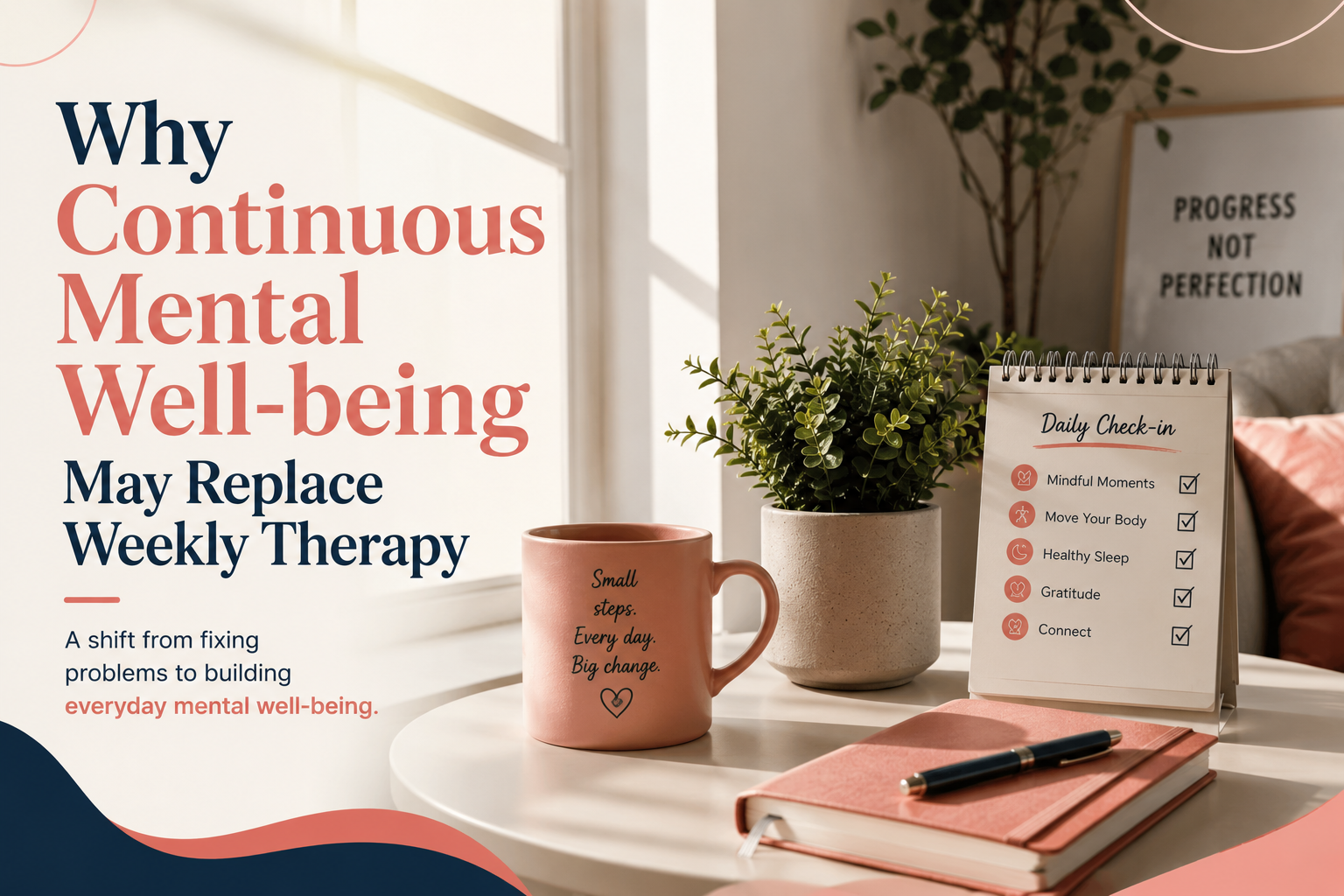
Even very small forms of engagement can create this sense of continuity. A simple reflective exercise after a difficult session. A journaling activity that helps clients process emotions during the week. A mood tracker that helps someone notice patterns they were previously ignoring. Tiny things like these remind clients that healing is still continuing, even outside the therapy room.
And honestly, that emotional feeling changes the relationship completely. When therapy feels continuous, clients often stay emotionally connected to the process for much longer instead of mentally disconnecting after one or two days.
Human Beings Naturally Attach To Consistency

This is something deeply psychological. People feel emotionally connected to relationships that feel consistent and emotionally available. This comes from attachment psychology. The human brain constantly searches for signals that say:
“You are supported.”
“You are not alone in this.”
“Someone still remembers your journey.”
This doesn’t mean therapists need to become emotionally over-available or constantly active on WhatsApp. Healthy boundaries are still extremely important. But thoughtful engagement between sessions can create emotional consistency without becoming overwhelming.
Imagine a client having a difficult week emotionally and suddenly receiving a small reflective exercise connected to something discussed in therapy. Or imagine someone noticing their own progress through a simple emotional tracker after weeks of feeling stuck.
Those moments may look small from the outside, but emotionally they create reassurance. Clients start feeling like therapy is not just one isolated conversation every week. It becomes a supportive process that gently stays connected to their real life. That feeling builds trust very deeply.
Small Interactions Often Create Bigger Emotional Impact Than People Realize
One interesting thing about human relationships is that people often remember small thoughtful moments more than dramatic ones. The same thing happens in therapy.
Clients may not always remember every deep conversation word-for-word, but they often remember small moments that made them feel emotionally seen outside the session itself. Sometimes it’s a guided worksheet that helps during a stressful day. Sometimes it’s a reflection prompt that suddenly creates self-awareness during an argument. Sometimes it’s simply seeing visible emotional progress after weeks of self-doubt.
These are called micro-engagements, and they quietly play a huge role in modern therapeutic relationships.
Without engagement between sessions, many clients unintentionally lose emotional momentum. Life becomes busy again. Stress returns. Old habits slowly take over. Therapy starts feeling distant until the next appointment arrives.
But when therapy gently stays present throughout the week, clients often remain more emotionally aware and connected to their healing process.
This is one reason many mental health professionals are now exploring client engagement tools for therapists and structured mental health CRM software that help create continuity without adding extra emotional workload manually.
Because the goal is not constant communication. The goal is meaningful continuity.
Clients Want To Feel Progress, Not Just Discuss Problems
There’s another important reason why between-session engagement matters so much. People need to feel movement.
One silent fear many therapy clients carry is: “What if I’m not actually improving?”
Healing is slow sometimes. Emotional growth is messy. And when progress feels invisible, clients can start feeling discouraged even if therapy is actually helping them internally.
This is where progress visibility becomes incredibly powerful. When clients can actively notice emotional patterns, completed exercises, mood improvements, healthier reactions, or growing self-awareness, therapy starts feeling more real and rewarding. Even small wins become emotionally motivating.
That sense of progress creates therapeutic momentum. And momentum matters because healing rarely happens in one breakthrough moment. Most emotional growth happens slowly through repeated reflection, awareness, and small behavioral shifts over time.
This is why tools like:
- reflective activities
- mood tracking
- emotional journaling
- self-awareness exercises
- progress dashboards
- guided therapy activities
are becoming increasingly important in modern therapy experiences.
They help clients stay emotionally engaged with their healing journey instead of feeling disconnected between sessions.
Modern Clients Now Expect Therapy To Feel More Connected
The mental health space is changing quietly right now.
People no longer expect support to exist only during appointments. Digital experiences changed human expectations everywhere. We are now used to personalized experiences, reminders, progress tracking, continuous engagement, and supportive digital systems in almost every area of life.
Therapy is slowly shifting in the same direction too.
Modern clients appreciate experiences that feel connected, organized, supportive, and emotionally continuous. They want therapy to feel present in real life, not limited to one calendar slot every week.
And honestly, this shift is not making therapy less human. If anything, it is making support feel more emotionally integrated into daily life.
The therapists who understand this early are often building deeper client trust naturally because clients feel emotionally “held” for longer periods instead of feeling alone immediately after every session ends.
Final Thoughts
At its core, therapy has always been about connection.
People heal better when they feel emotionally safe, understood, supported, and consistently cared for over time. That’s why clients often feel more connected to therapists who create thoughtful engagement between sessions in simple and structured ways.
Sometimes a small reflective exercise can stay in someone’s mind for days. Sometimes a progress tracker can help a client realize they are healing even when emotions feel messy. Sometimes a tiny moment of continuity can make someone feel less alone during a difficult week.
These things may seem small, but psychologically they create emotional closeness and therapeutic momentum that sessions alone sometimes cannot create.
And in many ways, that is what modern therapy is slowly becoming:
not just a weekly conversation, but an ongoing feeling of support woven gently into everyday life.
About the Author
Puneet is the founder of LifeHetu Technology, a platform built specifically for mental healthcare professionals to manage appointments, documentation, payments, and client engagement securely. He works closely with therapists, psychologists, and counselling centres to simplify digital practice management while preserving confidentiality and clinical integrity.
FAQs
Why is engagement between therapy sessions important?
Engagement between sessions helps clients feel emotionally supported, connected, and more involved in their healing journey.What is continuity of care in therapy?
Continuity of care means creating consistent emotional support and therapeutic connection beyond just weekly sessions.What are micro-engagements in therapy?
Micro-engagements are small touchpoints like journaling prompts, reflective exercises, mood tracking, or guided activities.Can digital tools improve client engagement in therapy?
Yes. Digital tools for therapists and mental health CRM software help therapists create structured engagement and progress tracking between sessions.Why do clients feel more connected through ongoing engagement?
Because ongoing engagement creates emotional consistency, trust, progress visibility, and stronger therapeutic momentum.
On this page
Jump to sections
About the author
Founder, LifeHetu
Puneet Pandey is the founder of LifeHetu. He has worked alongside psychologists since 2022 while building the platform, helping practitioners grow their online presence with digital tools and care solutions.
Related Reads. Similar Blogs to Check Out.